 PennySleeve
Cards from a vending machine: Japan's Expansion Sheets
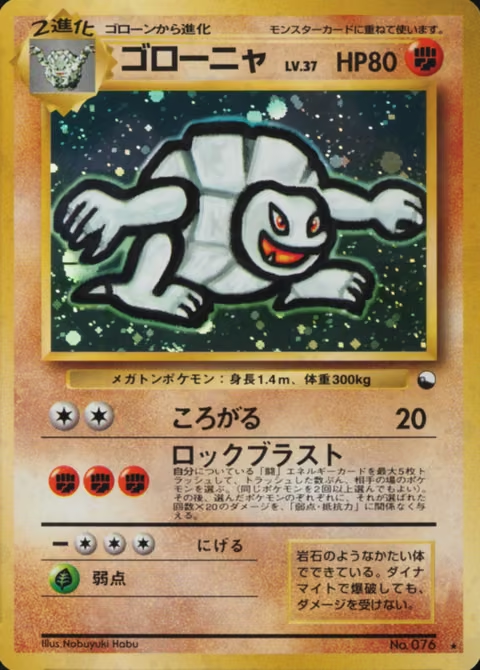
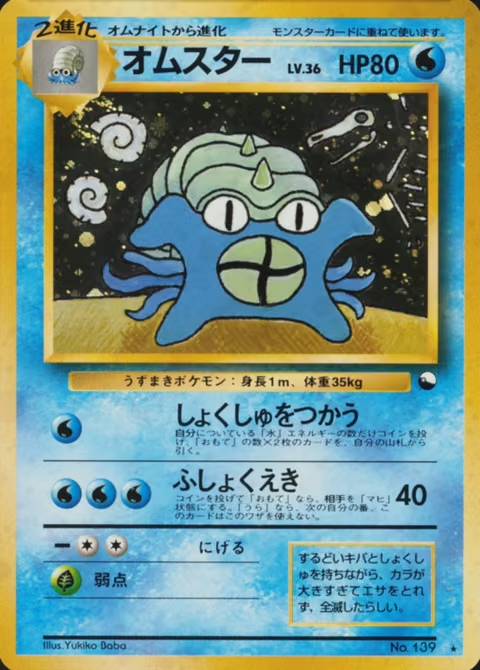
In 1998 you could get new Pokémon cards in Japan without opening a pack. Special vending machines sold them on sheets, three glossy cards to peel off plus a bonus in the fourth corner, and the machine picked the sheet at random. Officially they were 拡張シート, Expansion Sheets; collectors call them the Vending Machine Series, a fan name that stuck (Bulbapedia). One collector remembers feeding in coin after coin "as if I were playing the slots" (Elite Fourum).
This story is also told as an illustrated feature, with a machine you can play.
What came out of the machine
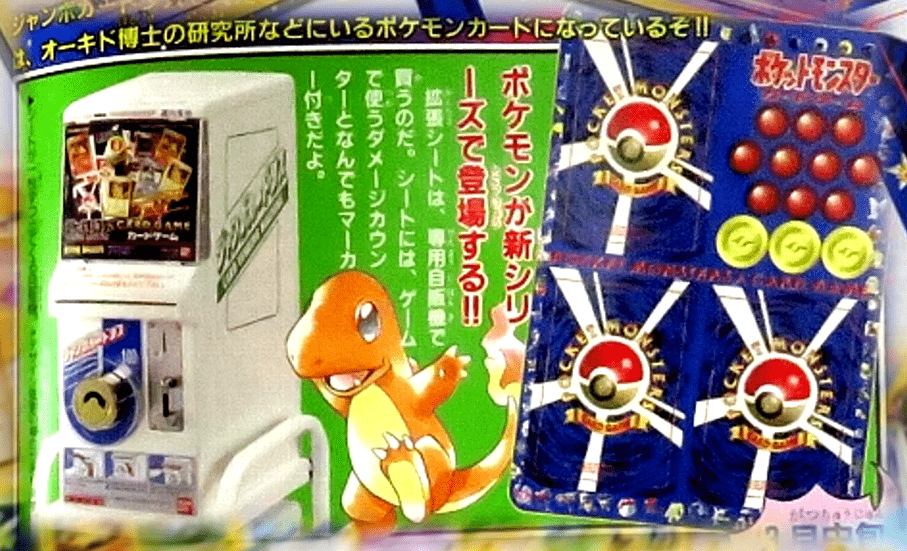
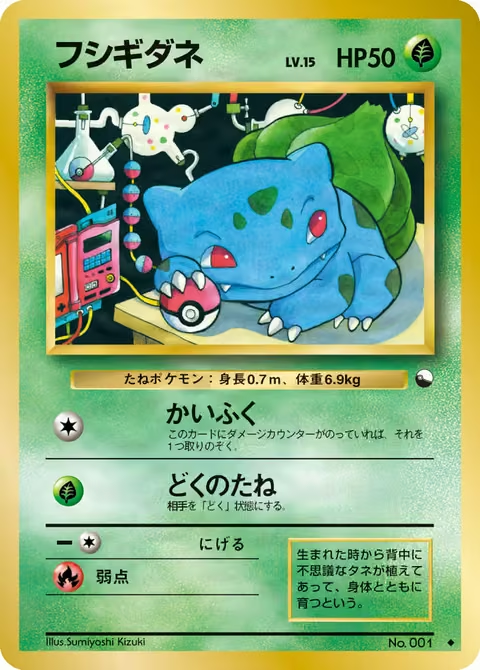
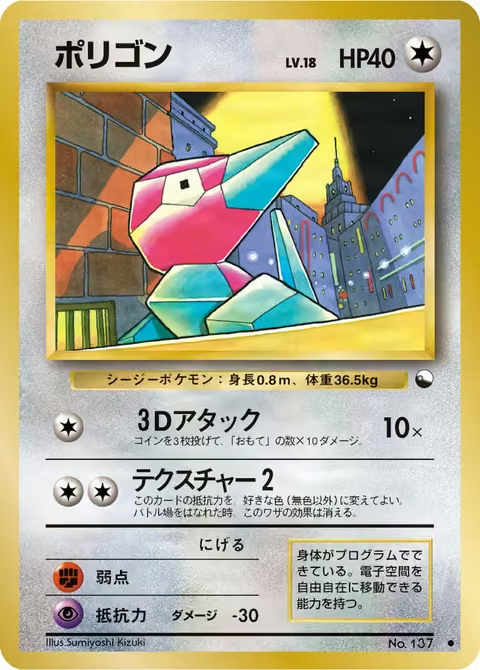
Each sheet held three cards and a fourth slot. On the first two series that slot was a set of peel-off damage counters and coins, and the second series swapped the first one's all-red counters for an assortment of colors (Pokumon). The cards are glossy, unlike the matte card of booster packs: they were printed straight onto the peelable sheet, with perforations pressed in so they would come away cleanly (Pokumon).
Every sheet carries a number from 1 to 18 in its bottom right corner, and a numbered sheet always holds the same cards: blue sheet 12 is always Chansey, Nidoran♀ and Nidoran♂. Collect all eighteen and you have the whole series, with a few spare commons (Bulbapedia). Each series is split into six places in Kanto, three sheets to a place, and each back shows its place's map with a few of the Pokémon found there, not necessarily the ones on the front (Pokumon). The first two series also printed playing tips and adverts for other sets (Bulbapedia).
Blue, red and green
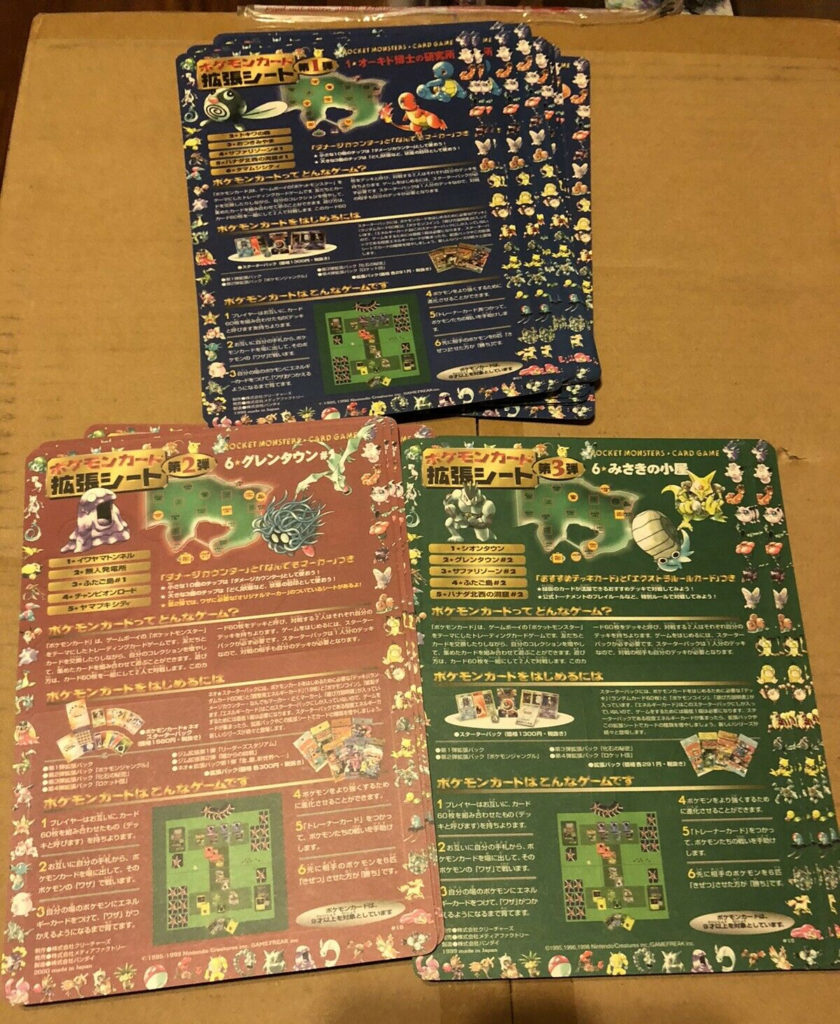
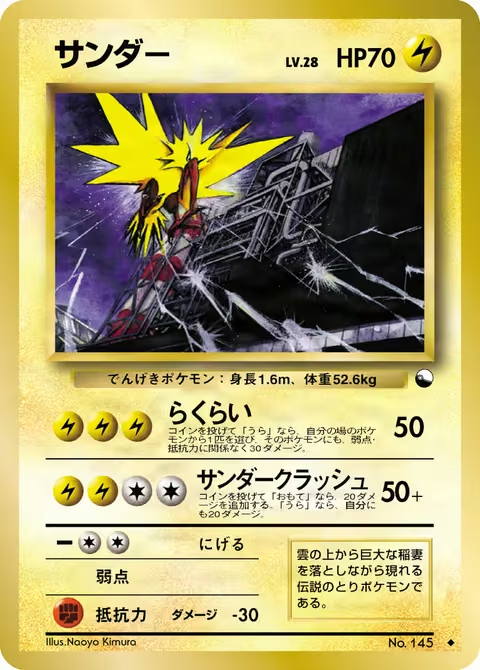
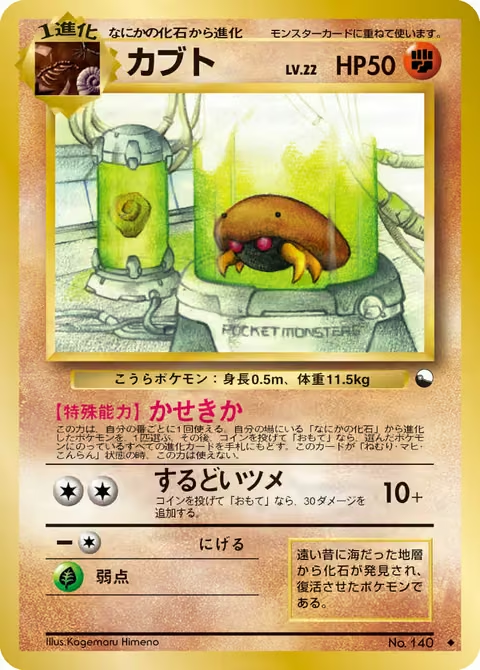
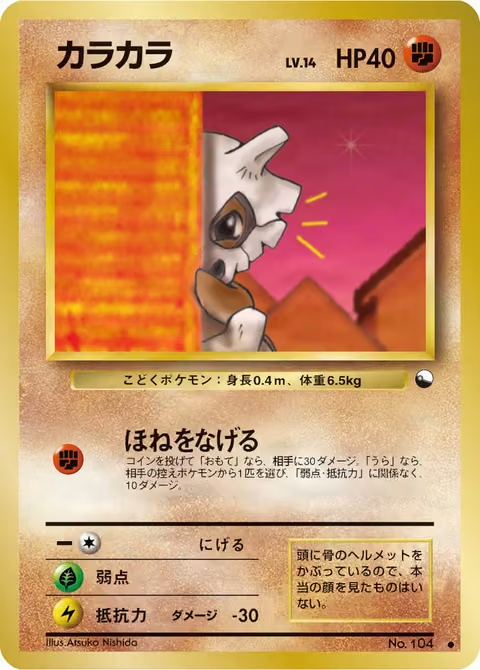
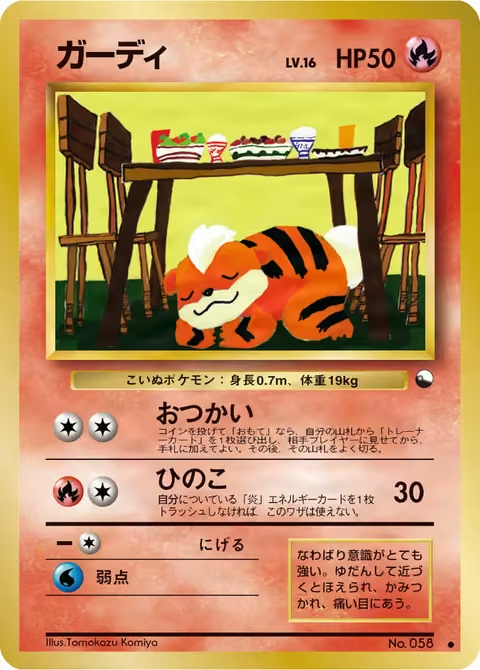
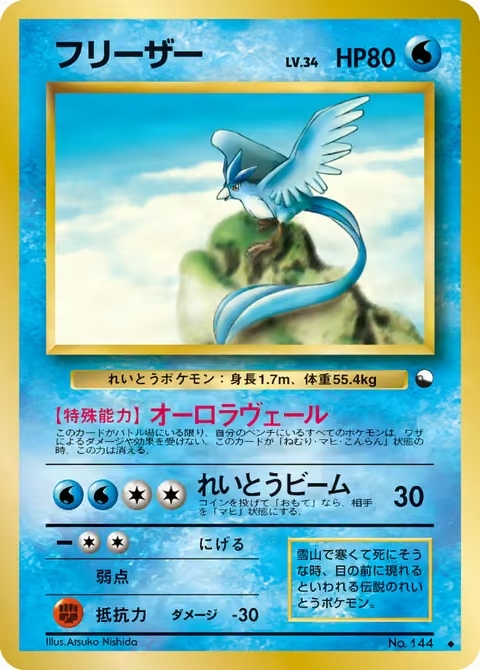
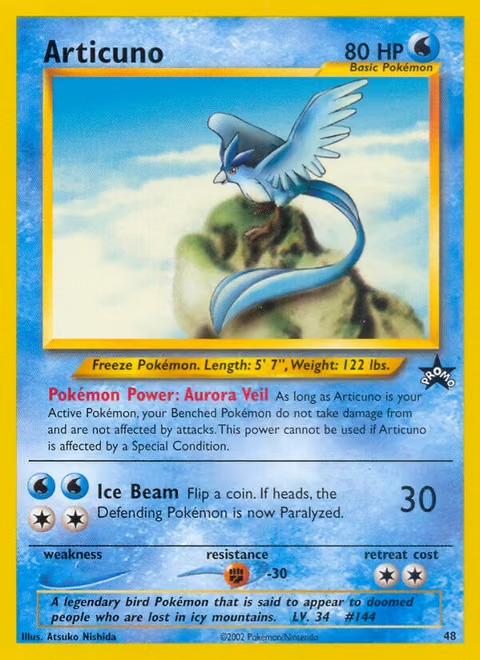
Series 1, the blue one, came out on 23 March 1998 with 36 cards. Its places run from Professor Oak's Laboratory, Viridian Forest and Mt. Moon to the Safari Zone, Cerulean Cave and Celadon City. Series 2, red, followed on 17 June 1998 with another 36: Rock Tunnel, the Power Plant, the Seafoam Islands, Victory Road, Saffron City and Cinnabar Island, with Articuno, Zapdos and Moltres among the cards. Series 3, green, arrived on 24 November 1998 with 53 cards, adding Lavender Town and the Sea Cottage to second visits to Cinnabar Island, the Safari Zone, the Seafoam Islands and Cerulean Cave (Bulbapedia).
A preview at the Hobby Fair
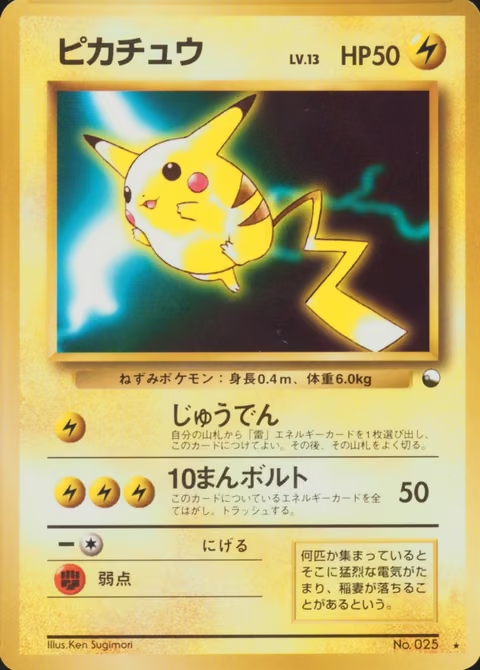
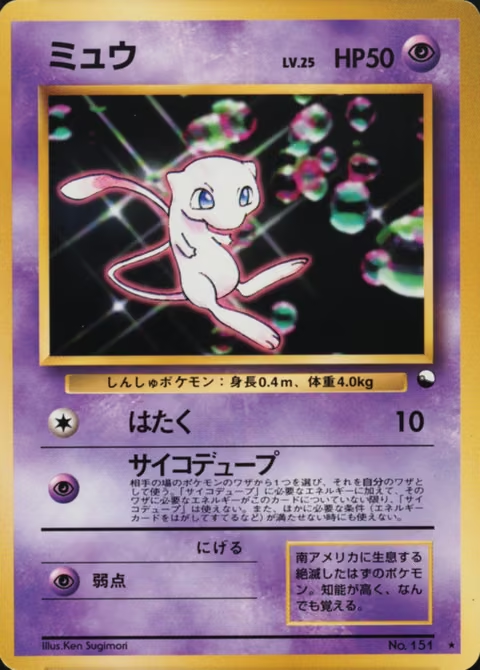
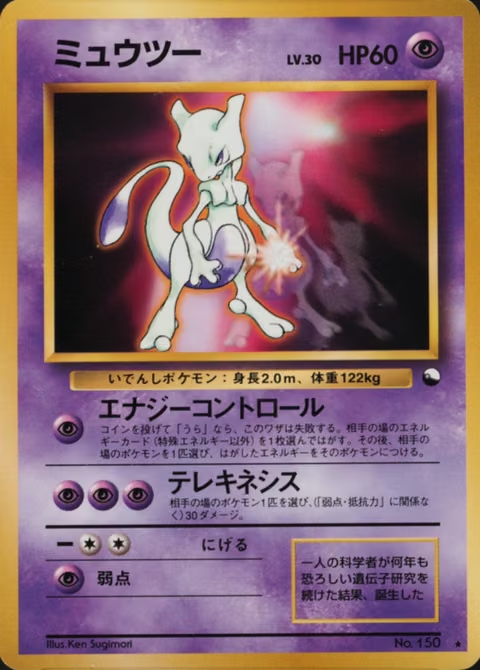
Before the machines, a Special Limited Expansion Sheet of Pikachu, Mew and Mewtwo was sold at the 7th Next Generation World Hobby Fair, which opened at the Fukuoka Dome on 7 December 1997 and toured Makuhari Messe, Osaka and Sapporo before ending at the Nagoya Dome on 15 February 1998 (Bulbapedia). Officially the three are unnumbered promos, but collectors count the sheet as "Series 00" (Bulbapedia).
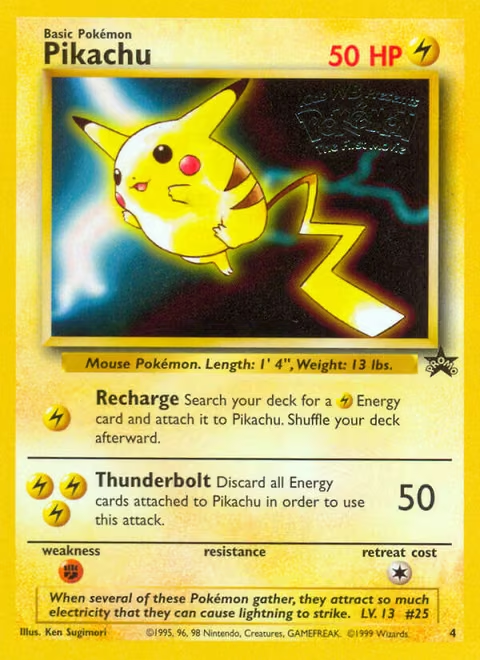
Mew and Mewtwo were reprinted with the Pokémon Song Best Collection CD on 1 January 1999 (Bulbapedia), so collectors look for the sheet unpeeled rather than the cards (Elite Fourum). Ken Sugimori's Pikachu traveled further: it is the same card as English Black Star Promo 4, given with cinema tickets for Pokémon: The First Movie from 12 November 1999 (Bulbapedia).
The green sheets' fourth card
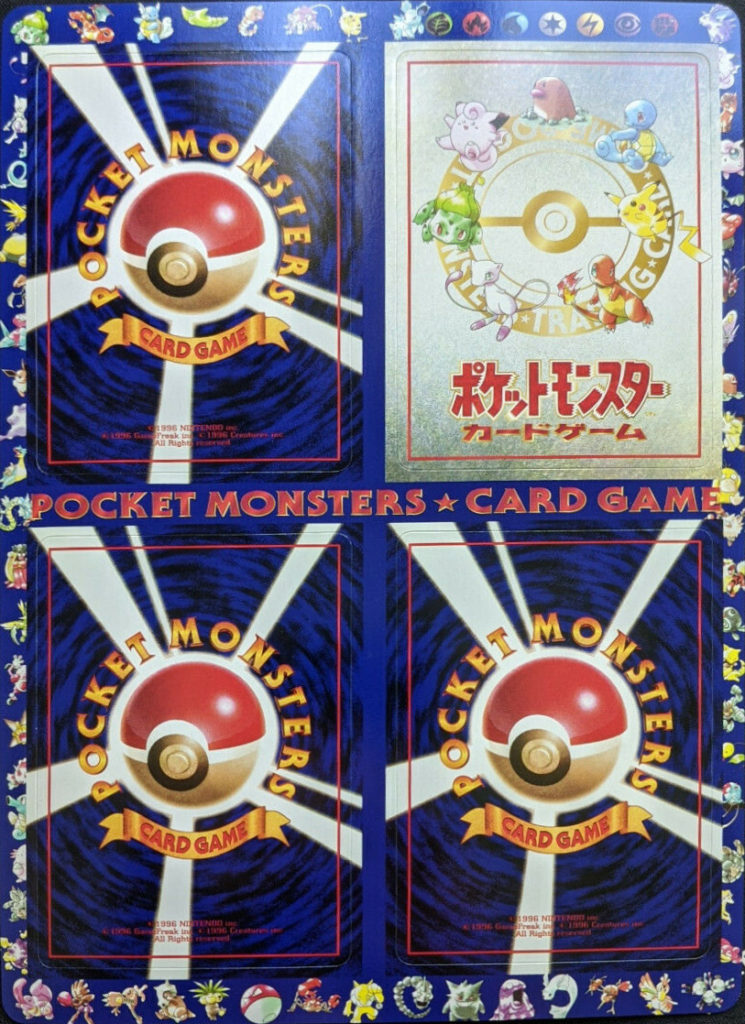
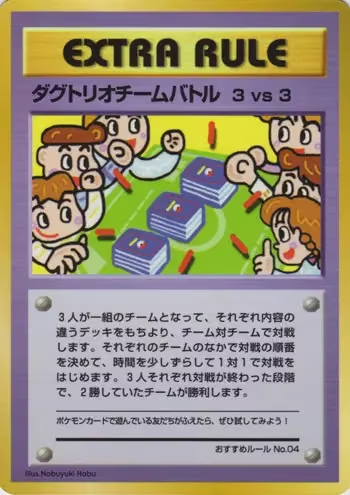
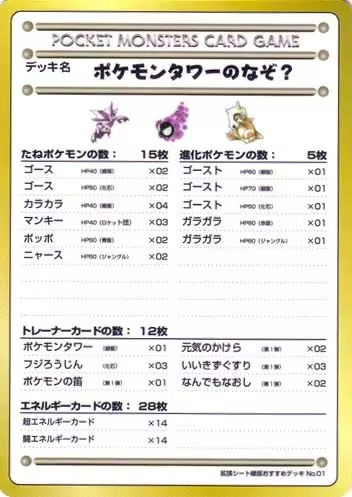
On the green sheets the fourth slot held a special card with a back of its own (Bulbapedia). Five of them are Extra Rule cards. 3 vs 3 Dugtrio Team Battle sets out a team game: three players each bring a different deck, and the team that wins two of the three battles wins (Bulbapedia). Five more are deck lists. The Puzzle of Pokémon Tower?, "Expansion Sheet Green Edition Recommended Deck No.01", lists a 60-card deck built around Gastly, Haunter and Cubone that mixes Expansion Sheet cards with ones from Base Set, Jungle, Fossil and Team Rocket (Bulbapedia).
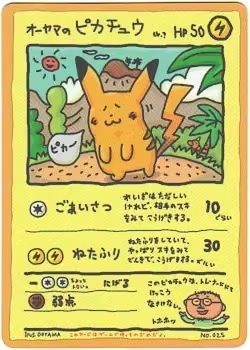
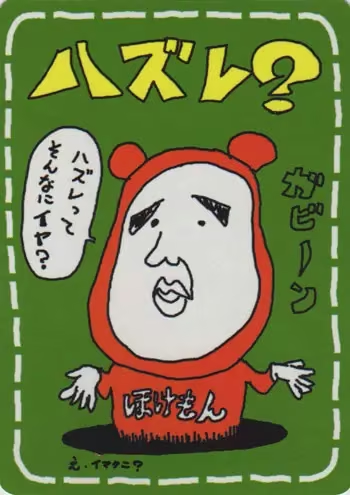
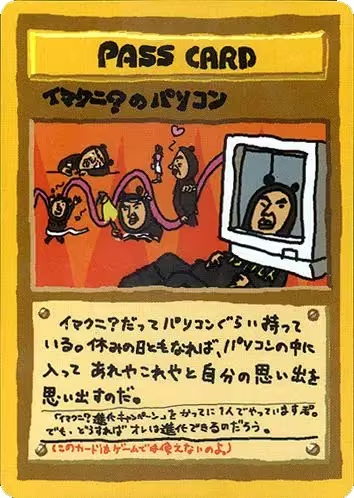
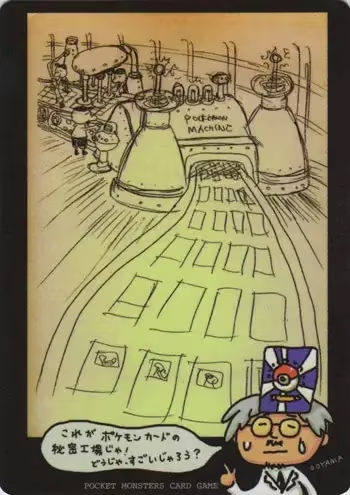
Most of the rest are jokes, several of them hand-drawn from edge to edge. Ooyama's Pikachu "cannot be used in games": its attacks are Greetings, for "about 10" damage, and Fake Sleep, and its retreat cost is "a bit much" (Bulbapedia). Imakuni?, a Creatures staff member known as an eccentric musician (Bulbapedia), drew himself in a hole for Lose?, which asks "Even if you lost, is it really so bad?" (Bulbapedia). Imakuni?'s PC has him running "Imakuni?'s Evolution Campaign" all by himself, without ever managing to evolve (Bulbapedia), and Pokémon Machine shows "the secret Pokémon Card factory" (Bulbapedia).
Bill's PC and evolution by post
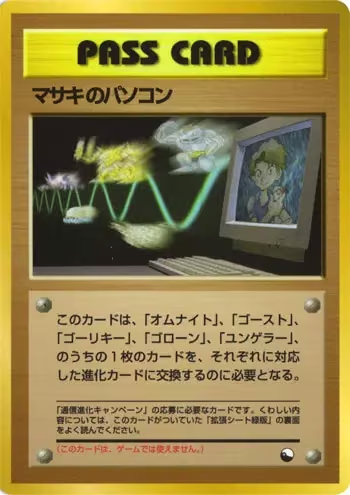
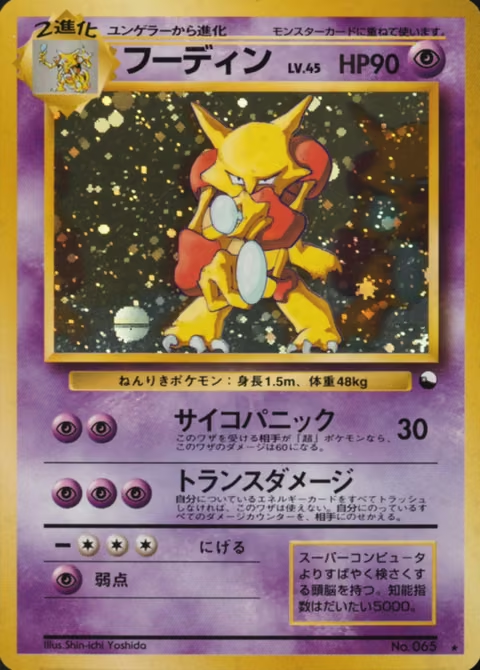
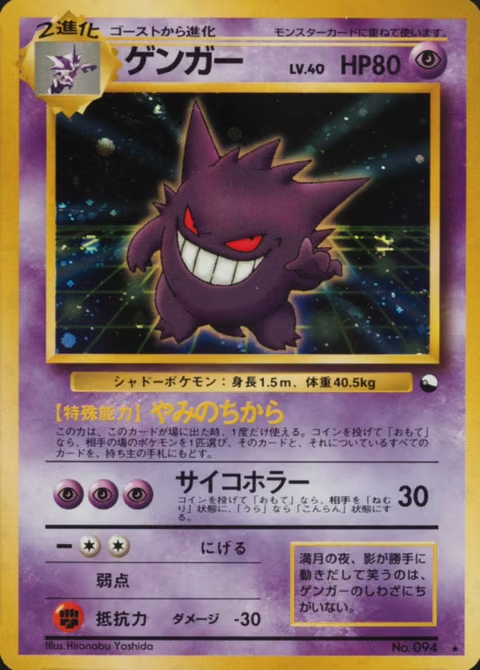
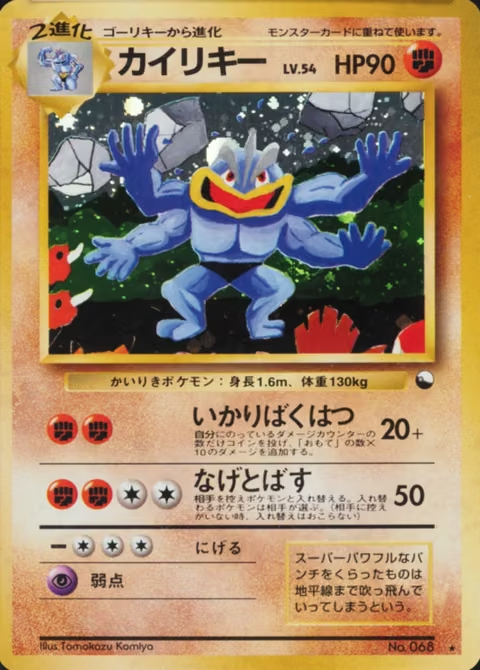
Imakuni?'s PC parodies the green sheets' most important card. Bill's PC, a pass card on sheets 16 and 17, opened the Communication Evolution Campaign on 24 November 1998. Until 30 April 1999, posting it to Media Factory with any Kadabra, Machoke, Graveler, Haunter or Omanyte brought back Alakazam, Machamp, Golem, Gengar or Omastar as a holofoil promo (Bulbapedia). Collectors call them the Masaki promos, after the card's Japanese name, Masaki's PC (Pokumon). All but Omanyte evolve by trading in the Game Boy games (Pokumon). Fittingly, sheets 16 to 18 belong to the Sea Cottage, Bill's home (Bulbapedia), and between them hold all five Pokémon you could send; sheet 18 has Lose? where its neighbors have Bill's PC (Bulbapedia).
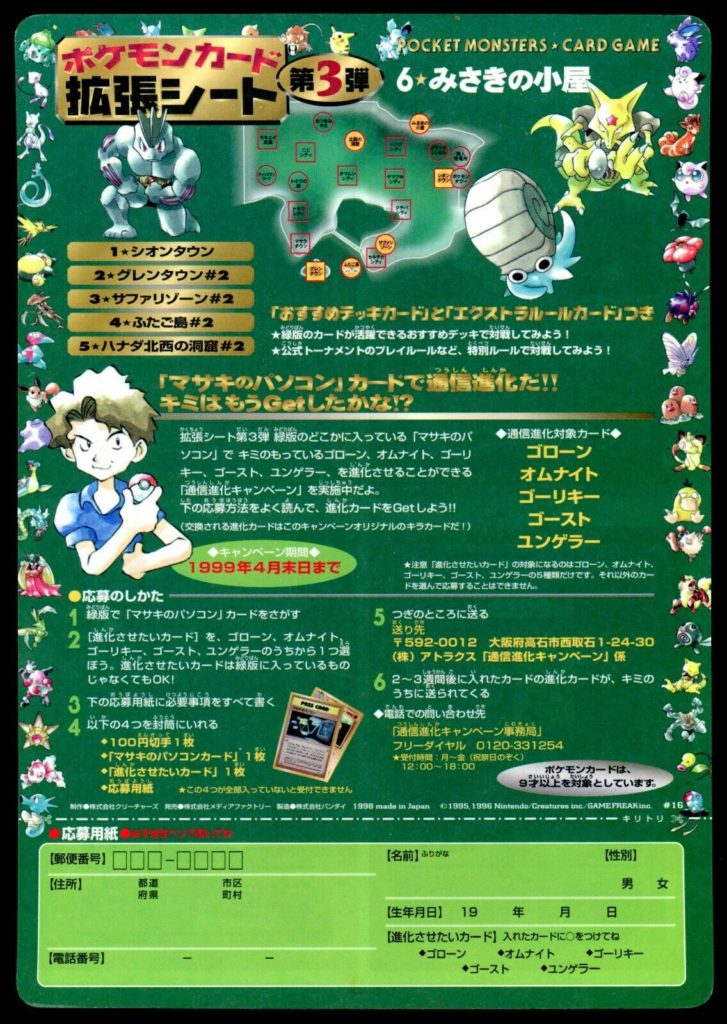
The first printing of the green sheets put Bill and the rules on every back; a second printing left them off, perhaps, Pokumon suggests, to stop entries after the deadline. Media Factory later reported over 140,000 entrants: 39,000 Alakazam went out, 36,000 Gengar, 29,000 Machamp, 22,000 Golem and 21,000 Omastar. They came back in a card mount printed with a thank-you letter, which held them by the corners, so many have dents (Pokumon).
Drawn by readers
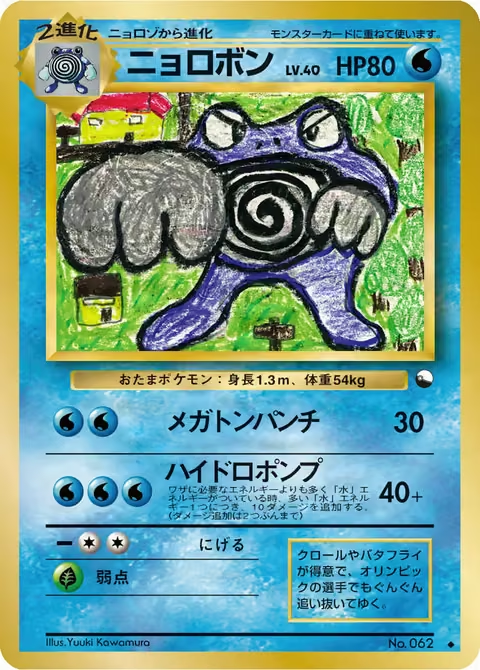
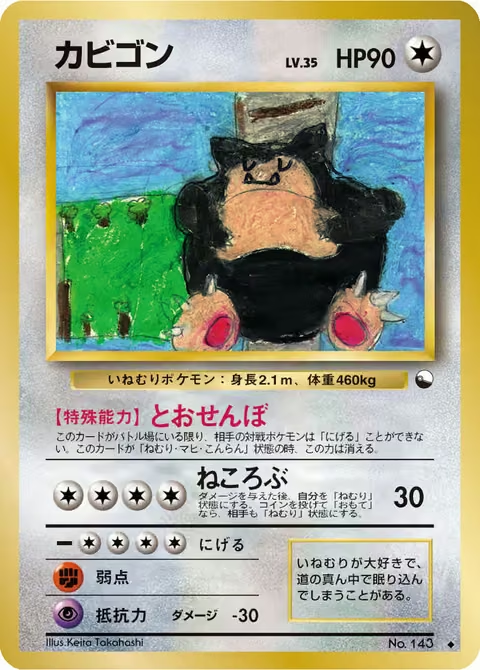
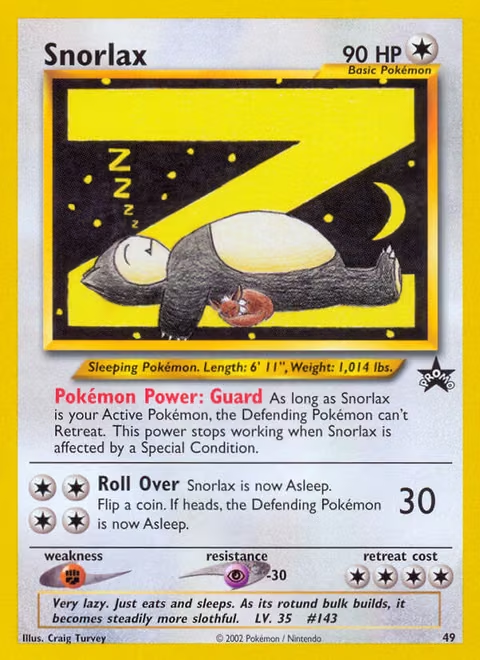
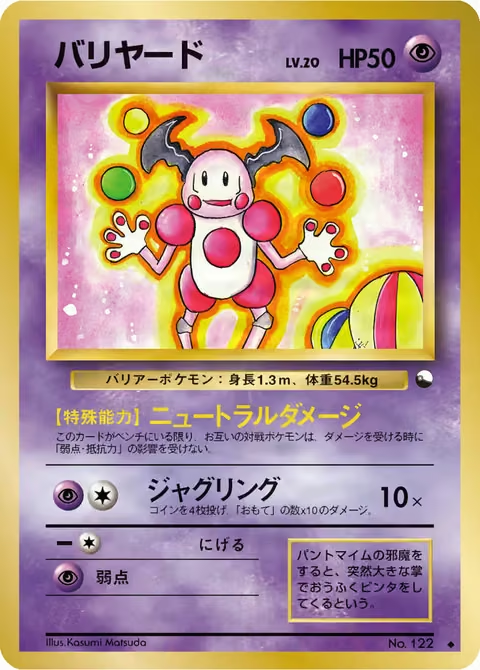
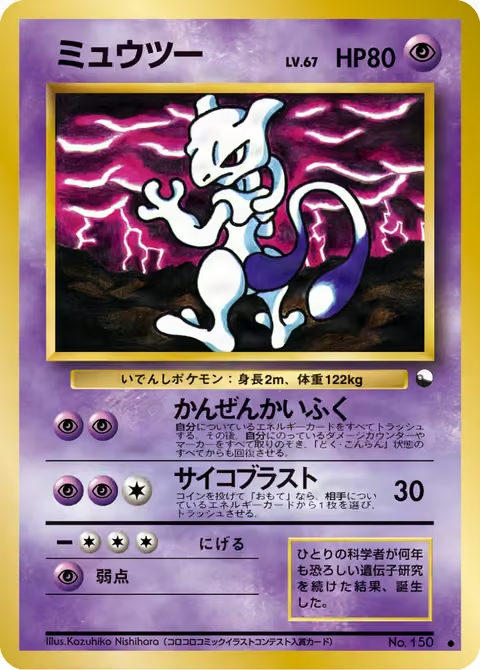
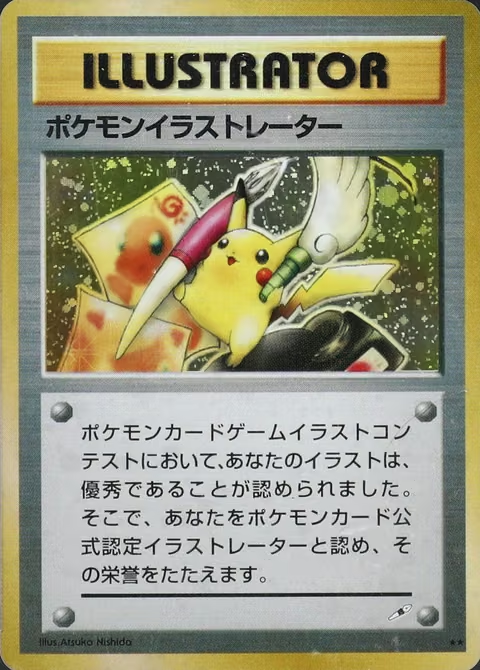
CoroCoro Comic's first illustration contest, announced in its November 1997 issue, asked readers to draw their favorite Pokémon. The three grand prize drawings became Poliwrath, Snorlax and Mr. Mime on the blue sheets, and each winner received 20 copies of their card and a Pokémon Illustrator card. A second contest, for the film Mewtwo Strikes Back, asked entrants to design a whole card, attacks included. Its winning Mewtwo came out on the green sheets with its attacks toned down (Pokumon), its illustrator credit followed by the words "CoroCoro Comic Illust Contest winning card" (Bulbapedia).
Two had English lives. Snorlax 49, the English promo, swapped in new art from Wizards of the Coast's own contest (Pokumon), while Mr. Mime reached English only in the Scarlet & Violet era, as a holofoil in the Blastoise & Suicune ex deck of Pokémon Trading Card Game Classic (Bulbapedia).
The ones that went west
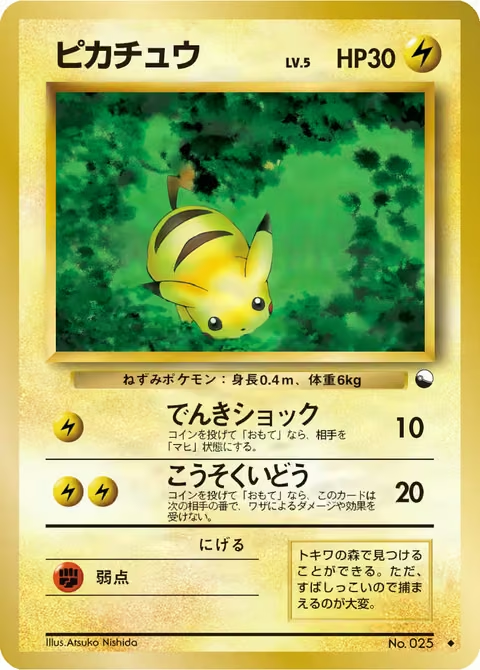
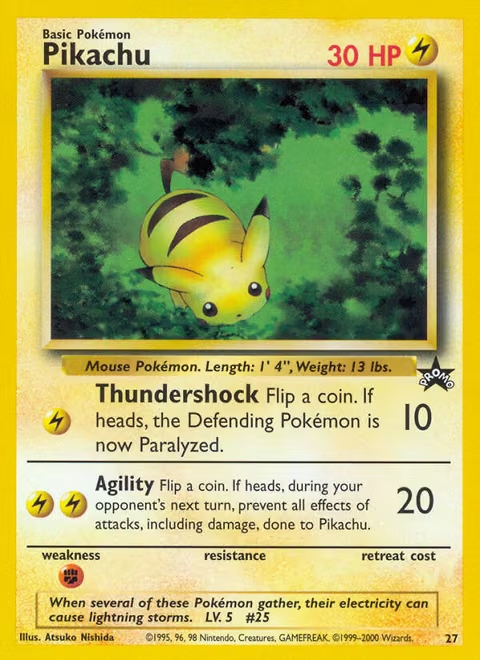
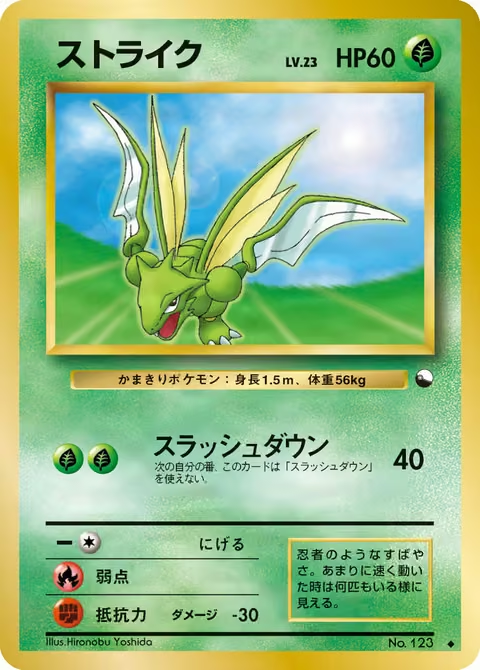
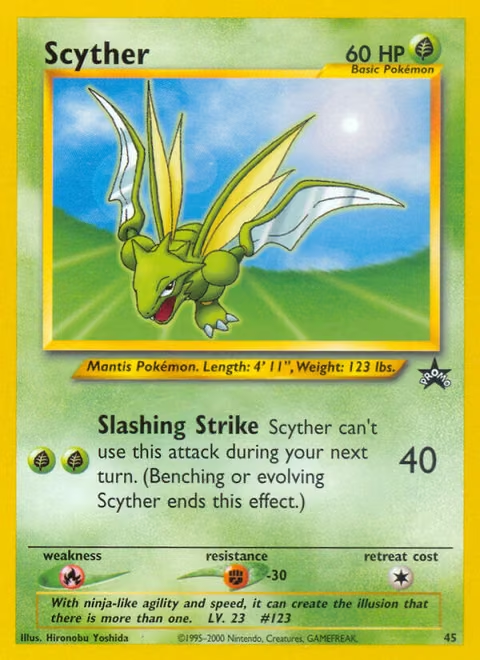
Many of these cards never left Japan; in the Wizards of the Coast years, those that did came out as Black Star Promos (Bulbapedia). Atsuko Nishida's Pikachu from blue sheet 6, nicknamed Bumblebee Pikachu, came with the English video and DVD of The Power of One from 14 November 2000 as Promo 27 (Bulbapedia). Scyther from green sheet 7 and Articuno from red sheet 9 became Pokémon League prizes in April and July 2002, printed in the newer Neo-era card layout (Bulbapedia, Bulbapedia).
Collecting them now
A peeled card's condition starts with whoever peeled it. The sheets print extra border around each card to give some room for error (Pokumon), but collectors who peel their own still call centering a gamble, and advise bending the sheet back rather than lifting the card with a fingernail, then sleeving each card at once (Elite Fourum). Many prefer to keep the sheets whole. Since every numbered sheet's cards are known, a run of 1 to 18 is a complete set you can check without peeling, and whole boxes of 100 unpeeled sheets still turn up (Elite Fourum, Elite Fourum).
Two look-alikes are worth knowing. The Quick Starter Gift Set reprinted many of these cards on matte card without a rarity symbol. Odder are matte copies that keep the rarity symbol: a Mr. Mime, a Golduck, a Weezing and a Mewtwo have surfaced, and Pokumon thinks they are test prints, since a matte card can't be peeled (Pokumon).
Sources
- Bulbapedia: Vending Machine cards (TCG)
- Bulbapedia: Mew (WHF Special Sheet promo)
- Bulbapedia: Pikachu (Wizards Promo 4)
- Bulbapedia: Pikachu (Wizards Promo 27)
- Bulbapedia: Scyther (Wizards Promo 45)
- Bulbapedia: Articuno (Wizards Promo 48)
- Bulbapedia: Mr. Mime (Blastoise Deck 13)
- Bulbapedia: Mewtwo (Vending S3)
- Bulbapedia: Bill's PC (Vending S3)
- Bulbapedia: Ooyama's Pikachu (Vending S3)
- Bulbapedia: Imakuni?'s PC (Vending S3)
- Bulbapedia: Lose? (Vending S3)
- Bulbapedia: Pokémon Machine (Vending S3)
- Bulbapedia: 3 vs 3 Dugtrio Team Battle (Vending S3)
- Bulbapedia: The Puzzle of Pokémon Tower? (Vending S3)
- Bulbapedia: Tomoaki Imakuni
- Bulbapedia: Sea Cottage
- Pokumon: Vending Machine Sheet 1
- Pokumon: Vending Machine Sheet 2
- Pokumon: Evolution Communication "Masaki" Campaign
- Pokumon: Early Pokémon Illustration Contests
- Elite Fourum: Set of the Fortnight #12, Vending Machine Series 3 (Green)
- Elite Fourum: Japanese Pokémon 1997 7th WHF Vending Sheet #00 question
- Elite Fourum: Have I bought fake Vending Series sheets?
- Elite Fourum: eBay seller lists Vending Series III box of 100 unpeeled sheets
- Elite Fourum: Help with Vending Series 1 100 sheet box